
Kazakhstan: AI Powers Smart Energy Grid, Boosts Efficiency
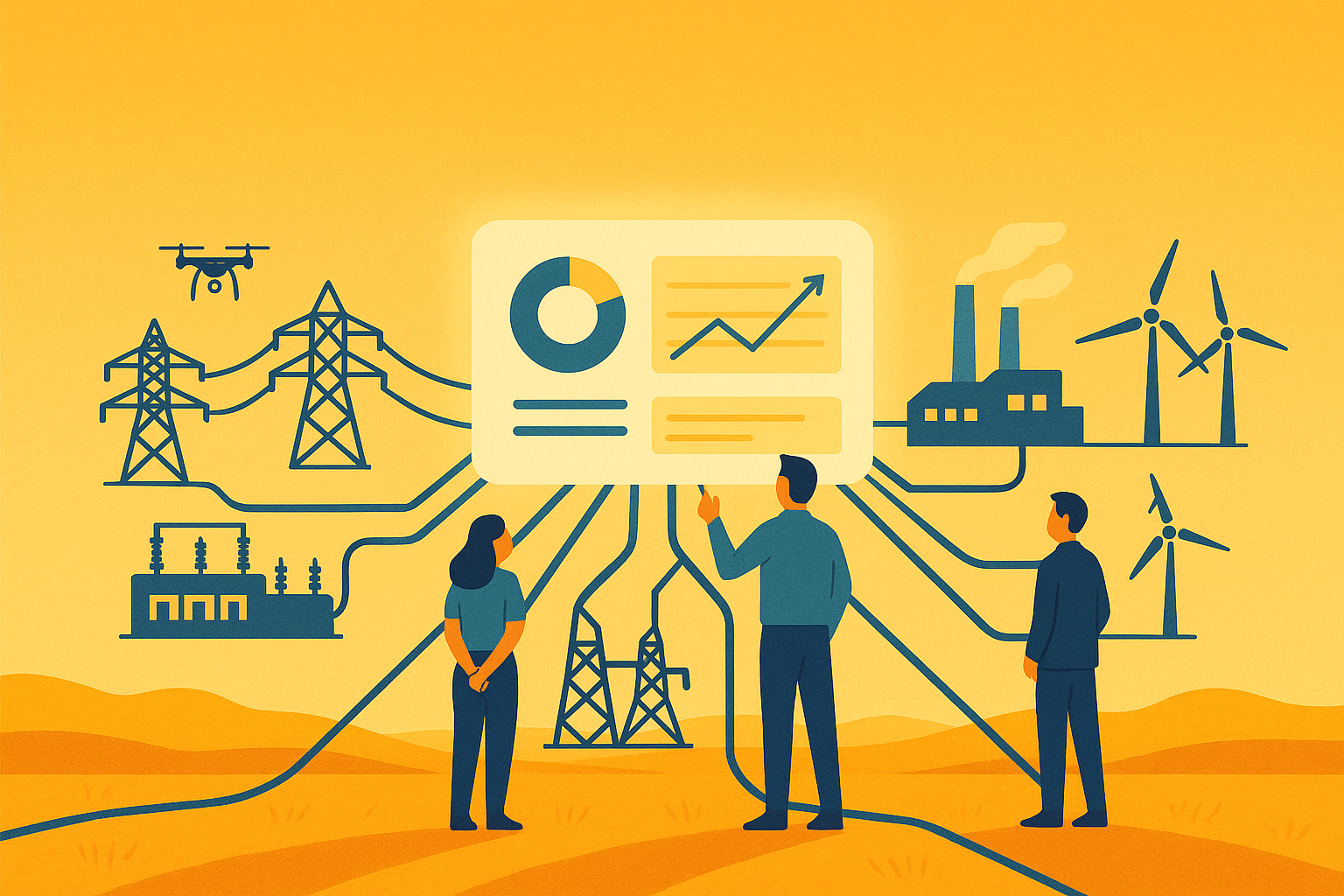
Kazakhstan's AI-powered grid revolutionizes energy management, cutting costs, predicting failures, and boosting efficiency across its vast network.
Kazakhstan: AI Powers Smart Energy Grid, Boosts Efficiency
In Kazakhstan, AI powers its smart energy grid, boosts efficiency, and is transforming its extensive transmission network into a data-driven powerhouse. By leveraging advanced algorithms, predictive analytics, and automated systems, the nation is enhancing grid reliability, reducing costs, and positioning itself as a leader in Central Asia's energy innovation.
How is Kazakhstan using AI to modernize its energy grid?
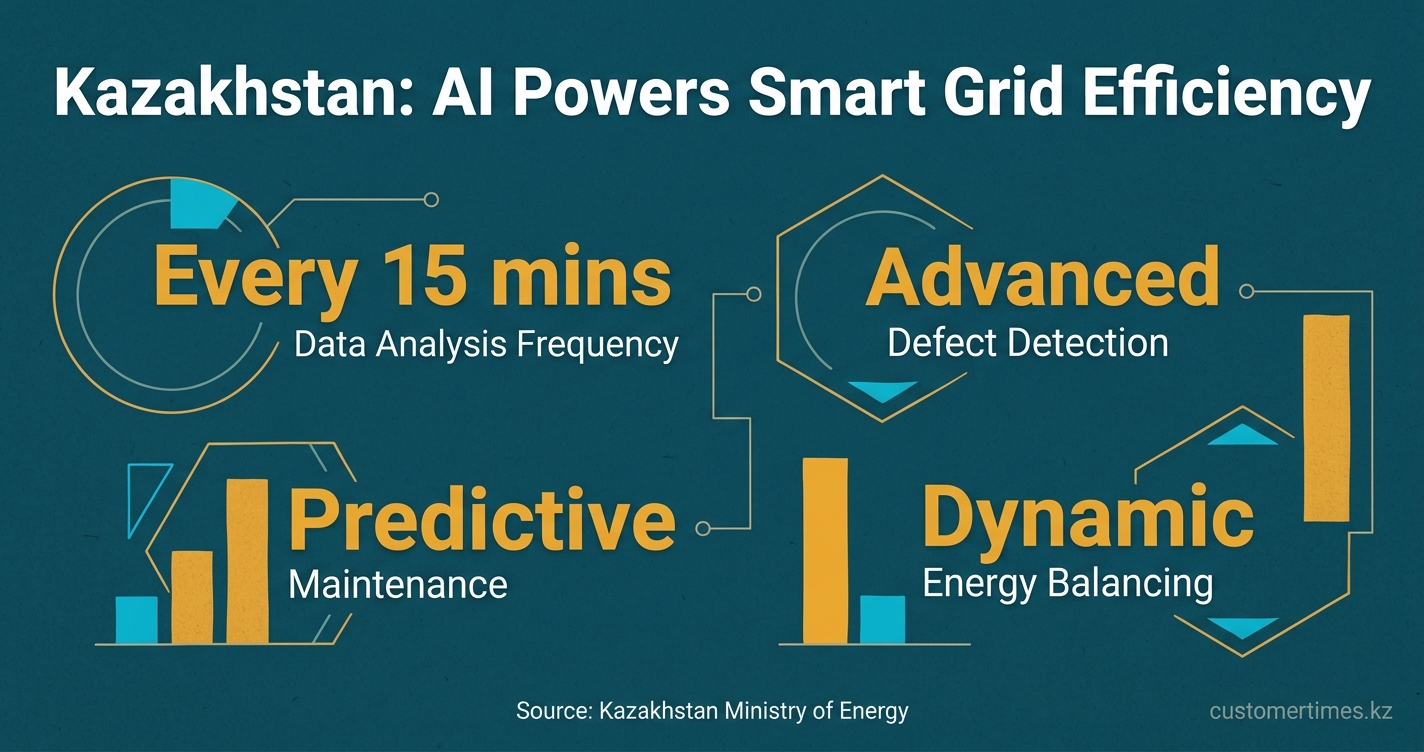
Kazakhstan is embedding AI into its energy infrastructure to analyze real-time data from power plants and transmission lines. This allows for advanced defect detection, predictive maintenance, and dynamic energy balancing, which improves grid stability, reduces operational risks, and lowers costs across the entire system.
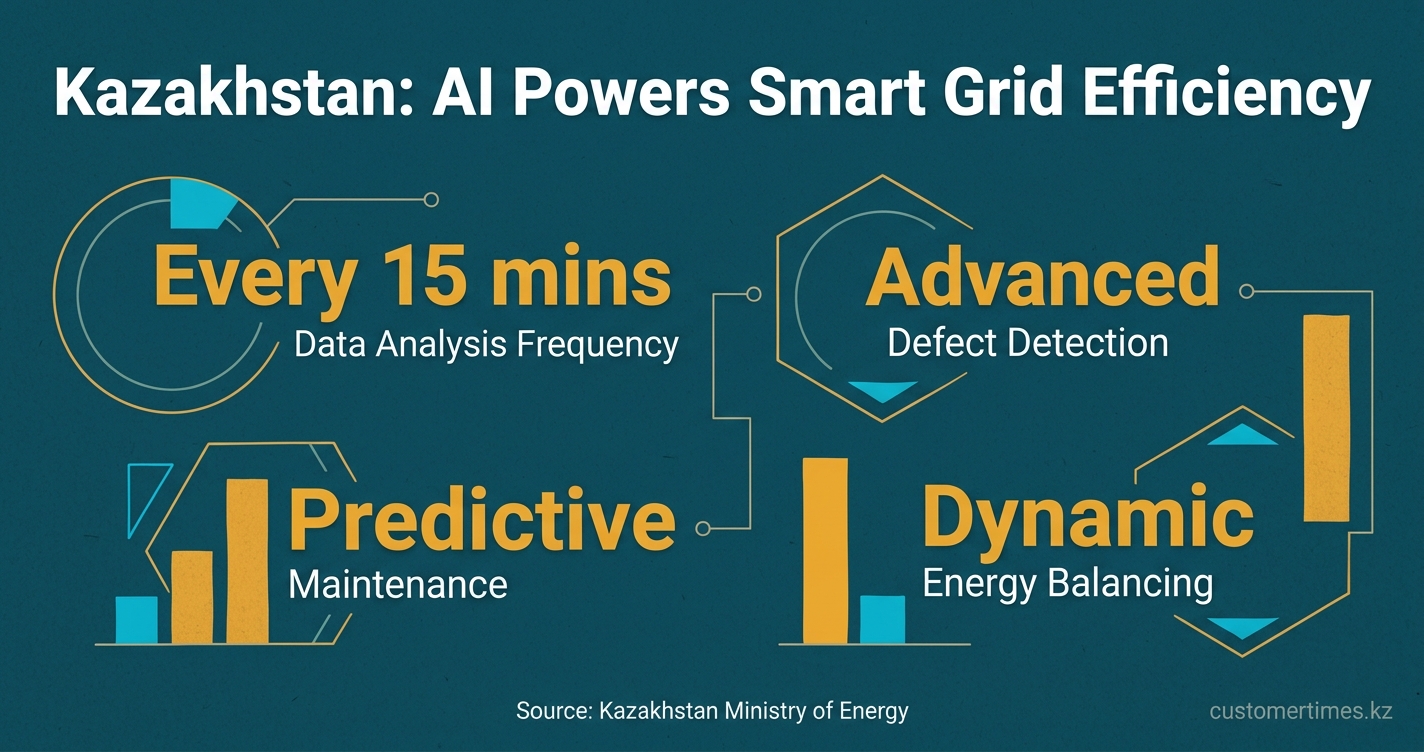
According to industry reports, the Ministry of Energy and the Ministry of Digital Development have been developing an AI "control tower" over the Unified Energy System (UES). This system analyzes SCADA data streams from substations, heat plants, and renewable sources, empowering algorithms to make critical decisions on energy switching, maintenance, and sales.
"Our priority is AI. Together with market participants we are developing specific use cases. The key tasks are defect detection on transmission lines and internal diagnostics of heat networks."
- Yerlan Akkenzhenov, Minister of Energy
This strategy is validated by successful pilot programs that have shown significant reductions in accident risks on heating networks and substantial improvements in tariff approval times. The planned rollout of the EnergyTech Unified Digital Platform aims to consolidate all energy sector data into a single cloud environment.
According to industry reports, pilot programs have demonstrated significant improvements across multiple areas:
- Heating-season readiness monitoring has been substantially streamlined through drone technology and AI modeling
- Tariff approval workflows have been significantly accelerated through digital processes
- Overhead-line flaw detection has been dramatically improved with drone-based inspections covering much larger areas in shorter timeframes
Beyond drone inspections, AI models within power plants are being developed to predict turbine blade micro-cracks well before failure occurs. This enables proactive maintenance scheduling during low-demand periods. In Astana, acoustic-resonance robots inspect heating pipes internally, identifying corrosion without costly excavations.
To ensure data sovereignty, the entire system operates on Kazakhstan's Al FARABIUM supercomputer. This platform processes weather data to optimize generation schedules every 15 minutes, effectively balancing the growing wind and solar capacity.
Aggressive scaling initiatives are underway. Plans call for widespread smart meter deployment, aiming to cut commercial losses significantly and generate substantial annual revenue. The SKAI ecosystem, managed by Samruk-Kazyna, targets significant EBITDA increases from AI-driven decisions, with ambitious goals for AI-influenced operations in the coming years.
This modernization is driven by regional urgency, with US data centers projected to drive 25% of new energy demand by 2030. Kazakhstan's strategy is to export computational power, supported by a hyper-efficient grid, exemplified by the new AlemAI supercluster.
The project's success is attracting international partners. A memorandum with GeoIntelX will use the AI platform to accelerate geological survey modeling, while negotiations with European suppliers for cloud-native SCADA systems are proceeding under the Caspian Green Energy Corridor initiative.
"The question is no longer whether AI belongs in the control room. The question is how fast we can implement it effectively while maintaining cybersecurity standards."
- Senior engineer, KEGOC national grid operator
This technological shift is creating major opportunities for local integrators. Platforms like Salesforce's Agentforce 360 for Energy & Utilities allow companies to integrate pre-trained AI models for outage management and crew dispatch without overhauling existing systems.
While human oversight remains a core principle - every automated command is reviewed by a dispatcher for six seconds - the efficiency of AI is undeniable. During a recent cold snap, the AI controller managed a substantial demand-response action in minutes, a task that previously took hours of manual coordination.
Kazakhstan's AI-powered grid is a globally watched experiment. If the nation can significantly expand its electricity output while supporting energy-intensive AI clouds, its model will become a blueprint for export. The immediate focus remains on integrating the last analog components and refining the system's algorithms.