
Kazakhstan to Track Mobile Payments for Undeclared Business Income (2026)
Alexander Shlimakov specializes in Salesforce, Tableau, Mulesoft, and Slack consulting for enterprise clients across the CIS region. With a proven track record in technical sales leadership and a results-oriented approach, he focuses on the financial services, high-tech, and pharma/CPG segments. Known for his out-of-the-box thinking and strong presentation skills, he brings extensive experience in solution sales and business development.
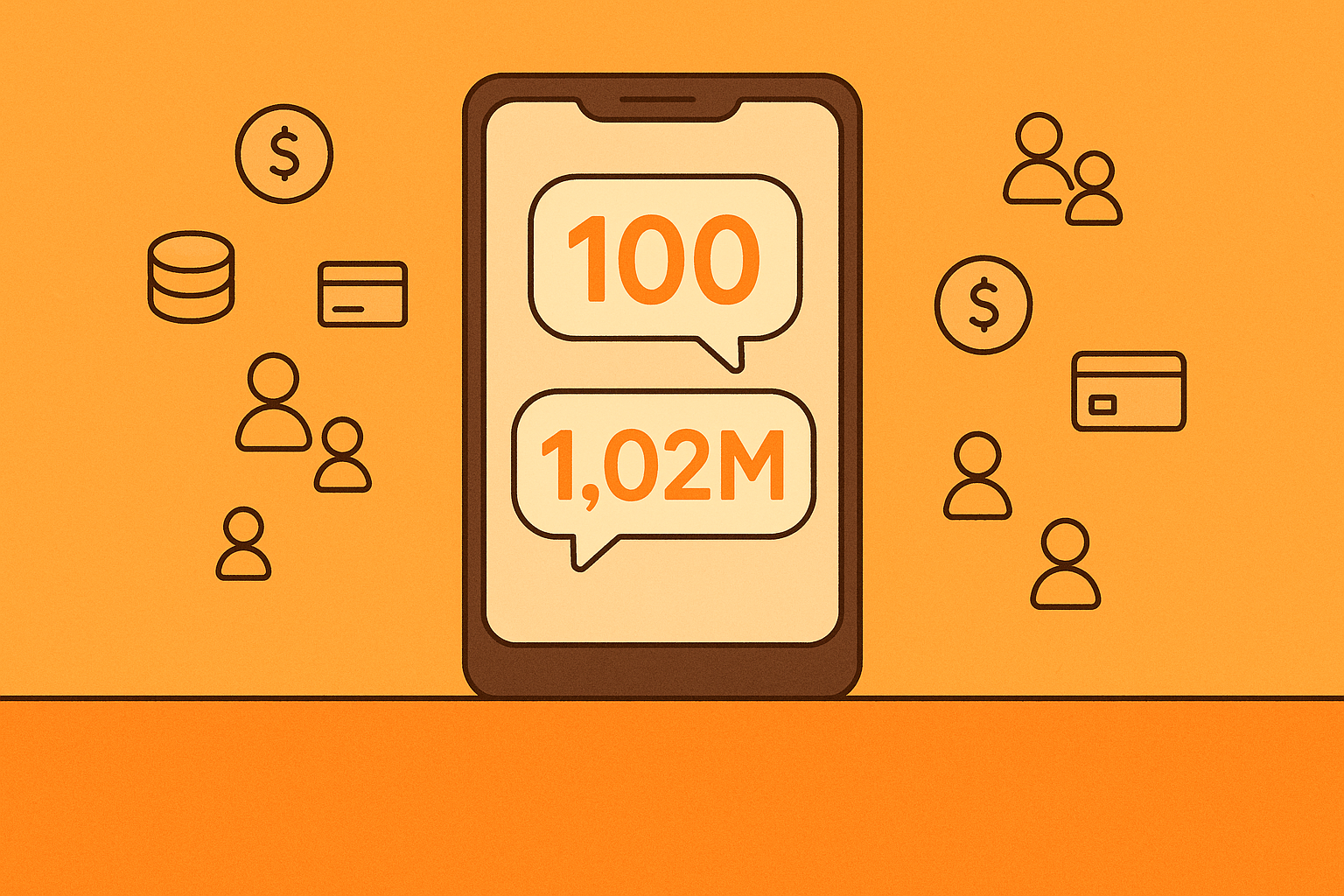
Kazakhstan to monitor mobile money transfers from April 2026. Accounts with 100+ payers AND 1.02M+ tenge quarterly will be flagged.
Banks will begin transmitting data starting January 1, 2026, with the first analysis conducted from April 15 on Q1 data. Kazakhstan will track mobile payments for undeclared business income using a new automated system. The State Revenue Committee will receive data from all retail banks, flagging personal accounts that meet a dual-trigger test designed to identify business-like activity. This initiative, with its first dataset covering January-March 2026 activity, targets sellers using personal cards for commercial purposes. Flagged individuals will have 30 working days to clarify the funds or amend their tax returns, with penalties reportedly waived for corrections in the first year according to industry reports.
How will Kazakhstan tax authorities monitor mobile money transfers starting in 2026?
Kazakhstan's State Revenue Committee will receive quarterly mobile transfer data from all banks. An automated system will flag personal accounts that, for three straight months, receive payments from a significant number of different people and accumulate substantial quarterly totals for potential tax review.
Why mobile transfers are now in the spotlight
The rise of informal commerce on social media and classifieds platforms has put mobile transfers under scrutiny. Many sellers avoid formal POS systems by sharing a personal card number for P2P payments. This convenience has fueled a shadow economy that was 22.8 trillion tenge in 2024, representing 16.71% of GDP, down from 17.58% in 2023. Mobile payments represent a significant portion of informal transactions, according to recent reporting by Orda.kz.
The dual-trigger test
An account is flagged for review only when both of the following conditions are met over three consecutive months:
- Money is received from a substantial number of different individuals each month.
- The quarterly total exceeds established thresholds.
This monitoring explicitly excludes personal transfers like gifts, debt repayments, ATM deposits, and salary payments. "A coffee payment or a friend reimbursing lunch is not supposed to generate a flag," Deputy Finance Minister Erzhan Birzhanov confirmed.
| Risk Factor | Threshold | Examples of Transfers NOT Subject to Review |
|---|---|---|
| Payer Count | Significant number of distinct individuals per month | Transfers from relatives, employer payroll |
| Quarterly Amount | Above established limits | Social benefits, ATM deposits, gifts |
What happens after the flag
- Banks submit quarterly transfer data (by April 15, July 15, October 15, and January 15).
- The State Revenue Committee consolidates the cross-bank data.
- An automated notification ("desk control" letter) is sent to the account holder.
- The recipient has 30 working days to respond by:
- Explaining the nature of the transfers.
- Registering as an individual entrepreneur and filing an amended tax return (Form 240.00).
- Paying owed income tax and social contributions, plus any late interest.
According to industry reports, penalties may be waived if taxpayers correct their status within this response period.
Knock-on compliance tech
The new rules are driving technological adoption. Banks are updating their apps to warn users approaching monitoring thresholds. Fintech companies are launching affordable micro-POS devices that sync with banking apps, enabling vendors to accept business payments correctly. On the enterprise side, companies are integrating CRM and billing systems with their banking to auto-tag transfers and avoid accidental triggers from activities like employee expense reimbursements.
"Clients thought P2P monitoring was a retail issue until they saw that employee expense reimbursements and petty-cash uploads can accidentally trip monitoring thresholds. Unified data architecture is suddenly a board-level topic."
- comment heard during a recent industry forum
Wider 2026 reporting mesh
This mobile transfer monitoring is part of a broader tax compliance framework taking effect in 2026:
- Marketplace Reporting: Online platforms are expected to submit regular reports on their sellers' activities.
- Cash Withdrawal Justification: Businesses must provide a purpose code for all cash withdrawals.
- Electronic Transfer Pricing Requests: Tax authorities can now electronically request transfer-pricing documents, with a 30-day response deadline.
These data streams will be cross-referenced with P2P transfer data, making it much harder to conceal revenue.
Practical checklist for taxpayers
- Separate Accounts: Use different bank cards for personal and business transactions.
- Register Your Business: Registering as a micro-entrepreneur online is fast (under 15 minutes) and provides access to simplified tax regimes.
- Use Clear Labels: When receiving personal funds, use accurate labels like "gift" or "loan return." Avoid commercial terms like "for product."
- Review Your Statements: Regularly download your bank statements to monitor transfer activity.
- Reconcile Proactively: Compare your own sales records against monitoring thresholds before your bank reports the data.
"We expect a significant number of accounts to meet the criteria in Q-1, but only a fraction will owe extra tax. Most people simply need to formalise their status."
- Ministry briefing materials
By closing loopholes in digital commerce while offering a straightforward path to compliance, Kazakhstan aims to increase budget revenues substantially over the coming years without raising tax rates. While everyday personal transfers are unaffected, the new monitoring rules define the clear boundary between personal P2P activity and taxable business income.