
Kazakhstan: Fuel Corridor Now Central Asia's Most Transparent

Alexander Bazilevich is a CRM expert and Top Salesforce Partner with over 17 years of sales experience in the IT industry. He specializes in transforming corporate goals into profits through cross-functional collaboration and innovative business solutions, with deep expertise in business systems and IT products.
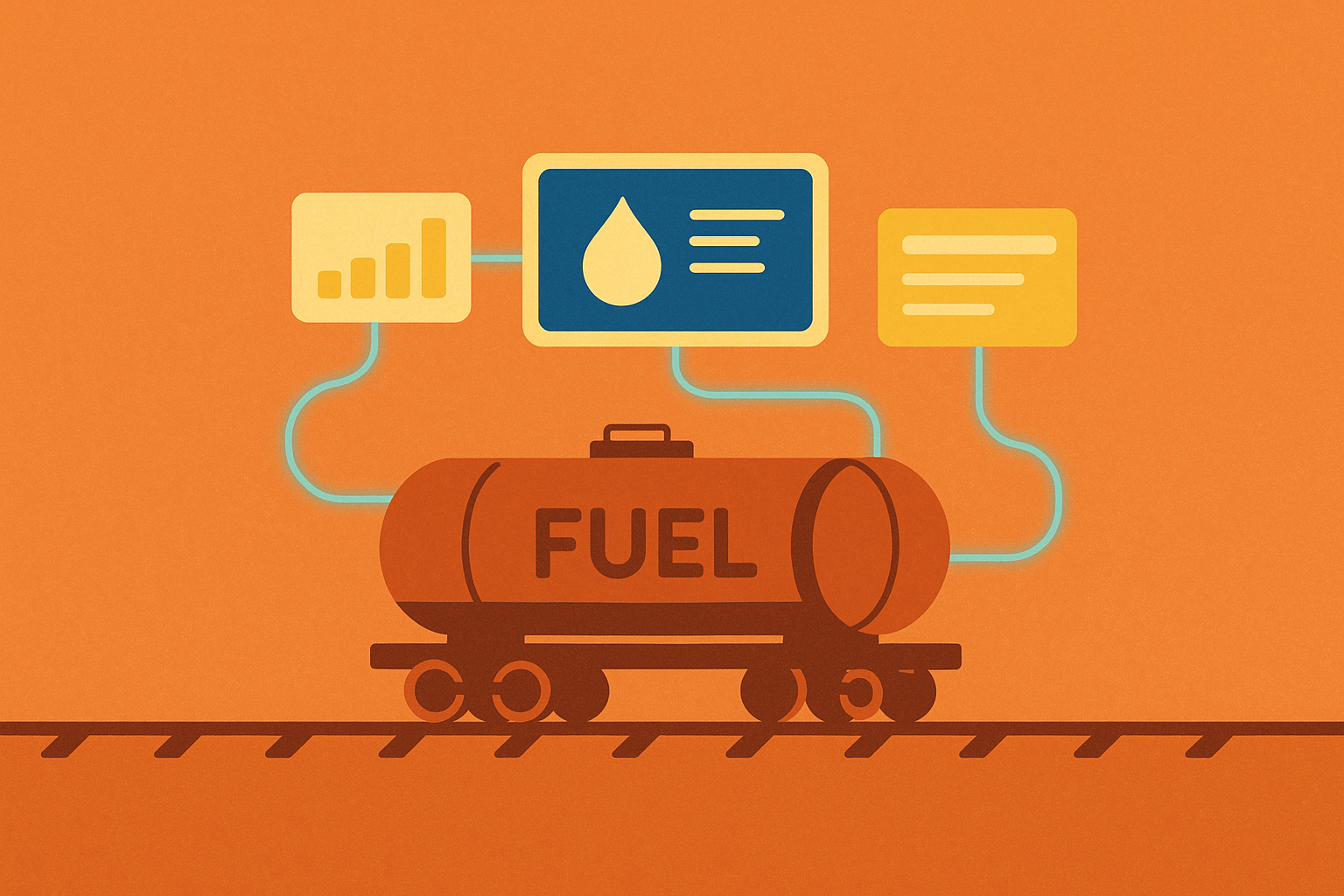
Kazakhstan's new fuel supply chain uses AI & real-time tracking to cut idle time by 20%, reduce delays, and forecast shortages.
Through a partnership between KazMunayGas (KMG) and Kazakhstan Temir Zholy (KTZ), the Kazakhstan fuel corridor is becoming Central Asia's most transparent supply chain. According to industry reports, fuel moving by rail is increasingly tracked from refinery to destination using an integrated system of GPS, AI, and real-time data analytics. This digital overhaul prevents fuel shortages, cuts costly delays, and significantly improves logistical efficiency. By ensuring fuel reaches its destination faster, the system keeps gas stations supplied and eliminates unproductive rail car idle time, securing the nation's energy supply chain.
How has Kazakhstan improved transparency and efficiency in its fuel rail supply chain?
Kazakhstan is implementing a nationwide digital platform that uses GPS and AI to monitor fuel tank cars in real time. This system provides regular updates, enabling proactive logistics management and improving demand forecasting accuracy according to industry reports.
| What the new system does | Data cycle frequency | Who benefits |
|---|---|---|
| Pinpoints each rail tank car on a live map | Every 60 minutes | Refinery schedulers |
| Records idle time at marshalling yards | Continuous | Rail planners |
| Flags bottlenecks and suggests rerouting | Within 5 minutes | Logistics managers |
| Forecasts regional surplus or shortage | Daily | Government fuel committee |
Hourly snapshots instead of daily faxes
Outdated end-of-day faxes have been replaced by a live dashboard linked to KMG's Dispatch and Analytical Center. Sourcing GPS data from KTZ's Main Computing Center, the system updates each tank car's position hourly, dramatically reducing response times for issues like stalls at major hubs.
"This has enabled hourly tracking of petroleum product movements and volumes across Kazakhstan, including imported rail shipments, throughout the entire transportation route," KMG stated in June 2026.
Idle-time radar saves cash
Unproductive idle time for rail cars generates significant demurrage fees and reduces throughput. The new system directly counters this by monitoring dwell times for individual cars and automatically sending alerts if a car remains stationary for over six hours. According to industry reports, pilot programs have shown significant reductions in idle time.
AI pipeline plugs the data into demand curves
The system's AI engine, KMG.AIAN, transforms raw GPS data into actionable intelligence. The system analyzes rail movements alongside depot withdrawal and retail sales data to predict regional fuel shortages in advance. According to industry reports, the system has enabled the pre-emptive repositioning of substantial fuel volumes to avert shortages in various regions.
"The IT solution increases the efficiency of fuel balance management, and also ensures the stability of supplies, reduces the risk of a fuel crisis in the country," IXBT.kz noted in its March report.
From wagons to web screens
In KMG's Astana control room, all logistics data is visualized on a vast triple 4K LED wall. This central feed is accessible in real time to refinery managers over 1,200 km away, enabling them to approve critical reroutes instantly and without a single phone call.
Building blocks for a national data lake
The fuel tracking system serves as the cornerstone for Kazakhstan's broader vision of an integrated national data lake for logistics. The Ministry of Transport is implementing a unified digital customs and logistics platform called Smart Cargo, expected to be fully operational by 2026, to streamline transit and multimodal freight procedures.
What businesses feel on the ground
- Retailers see fewer emergency deliveries due to predictive stock pre-positioning.
- Refineries have reduced buffer stock wagons, freeing up rolling stock according to industry reports.
- Importers benefit from faster document processing via the integrated Oil Track portal.
| Stakeholder | Pain removed | Metric change |
|---|---|---|
| Regional governor | Weekend supply shocks | Significant reduction |
| Fuel-truck dispatcher | Last-minute rerouting | Substantial decrease |
| CFO (refinery) | Demurrage fees | Major cost savings |
While the back-office integration was a significant undertaking, the return on investment is clear. According to industry reports, economic models project that substantial annual savings are expected once all depots, pipelines, and road carriers are connected to the platform. As trains cross the steppe, every movement is now captured in real time on a national digital platform, securing Kazakhstan's fuel supply for the future.