
GA4 Adds 'AI Assistant' Channel for Chatbot Traffic
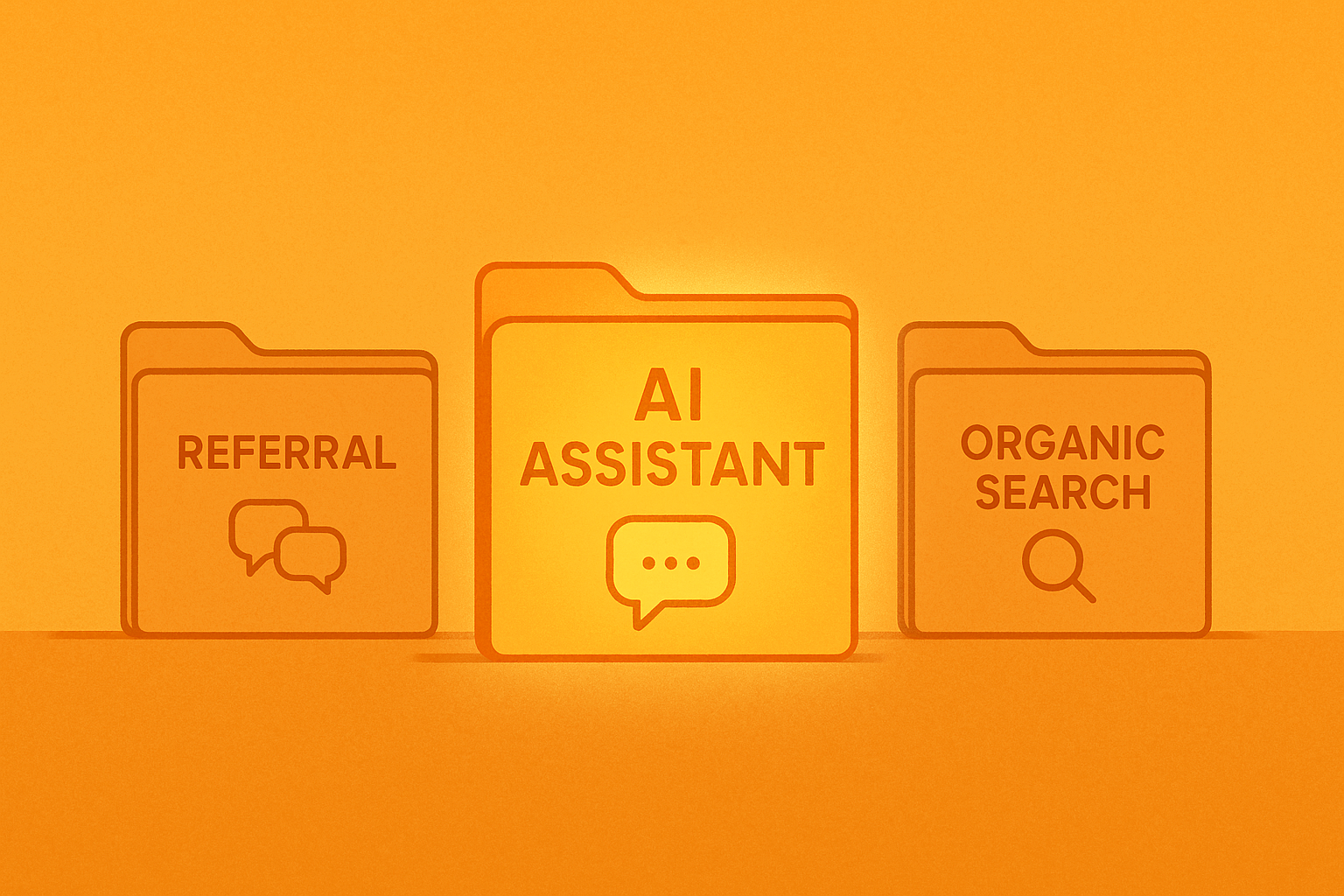
GA4's new "AI Assistant" channel group simplifies tracking chatbot traffic, replacing manual regex for cleaner analytics.
Google added a native AI Assistant default channel in GA4 on May 13, 2026, and it rolled out gradually, with some properties seeing it later than others. This change, announced on the What's new in Google Analytics page, assigns sessions from recognized AI referrers to a dedicated channel group using the ai-assistant medium. Marketers can now find this cohort in Traffic acquisition > Default Channel Group reports, eliminating the need for complex regex or custom channel rules to isolate traffic from platforms like ChatGPT, Gemini, and Claude.
This update allows marketing teams to instantly analyze how users from AI assistants engage with their site compared to traditional channels. While some major chatbots are now categorized automatically, others, like Perplexity, still require manual setup. The new channel simplifies performance analysis, making it easier to determine if AI-driven traffic leads to higher engagement or conversions.
What is the new "AI Assistant" default channel group in Google Analytics 4?
Google added a native AI Assistant default channel in GA4 on May 13, 2026, and it rolled out gradually, with some properties seeing it later than others. This feature automatically identifies and segments traffic from popular chatbots like ChatGPT, Gemini, and Claude by assigning it the ai-assistant medium, enabling direct analysis of AI-driven sessions without manual configuration.
What is captured - and what is not
GA4 automatically captures traffic from recognized AI assistant sources such as ChatGPT, Gemini, and Claude by assigning it the 'ai-assistant' medium. However, it does not capture traffic from AI Overviews or AI Modes in search, and some bots like Perplexity still require manual configuration for proper tracking.
Google's official list of recognized sources has evolved since the feature's debut. While the initial announcement highlighted ChatGPT, Gemini, and Claude, the live documentation confirms these recognized AI assistant traffic sources. All other AI tools, notably Perplexity, are still categorized as Referral or Direct unless re-classified with custom rules. Google has also clarified that traffic from AI Overviews and AI Mode in search does not qualify for this channel.
| Element | GA4 value |
|---|---|
| Channel group | AI Assistant |
| Medium | ai-assistant |
| Campaign | (ai-assistant) |
| Trigger | HTTP referrer match |
The feature applies going forward from May 13, 2026 and does not reclassify earlier traffic. Teams comparing year-over-year traffic will find older AI-driven clicks still grouped under Referral.
From regex to one click: why the move matters
Previously, analysts depended on fragile regex rules like (chatgpt|claude|gemini) within custom Channel Grouping settings to isolate AI traffic. Many retailers have found that a significant portion of their "Referral" traffic was actually from AI assistant links. With the new channel, these sessions are now automatically segregated, enabling direct performance comparisons against Organic Search and Paid Social in the standard GA4 interface.
Marketers can now assess if the AI Assistant channel drives a higher engaged-session rate or more add-to-cart events without exporting data or creating complex reports.
Attribution impact at a glance
| Before May 2026 | After May 2026 |
|---|---|
| Mixed inside Referral | Segregated into AI Assistant |
Medium = referral |
Medium = ai-assistant |
| Required custom group or regex | Default behavior, zero setup |
| Difficult to assign budget credit | Native inclusion in GA4 attribution models |
Industry reports suggest that AI-assistant traffic may show different conversion patterns compared to generic referrals, which could influence decisions on paid media budget allocation.
Practical checklist for teams
- Navigate to Reports > Acquisition > Traffic acquisition.
- Set Default channel group as the primary dimension.
- Filter the report to show only the AI Assistant channel.
- Compare metrics like Engaged sessions, Key events, and Purchase revenue against other high-intent channels.
- Export data only when granular analysis (e.g., by country, device, or campaign) is necessary, as the standard UI covers most needs.
A real-world glimpse from Central Asia
At a recent Salesforce & Tableau Day in Almaty, a global pharmaceutical company demonstrated how its Tableau dashboards connected to GA4 now display the AI-assistant channel alongside search and email. Their team reported that AI-generated links drove significant incremental revenue - figures previously hidden within the broader Referral channel.
Watch-outs and next steps
- Unmatched bots: Platforms like Perplexity will require manual channel rules until Google officially adds them to the recognized source list.
- Zero-referrer traffic: Sessions without a referrer, common in mobile apps, will still be categorized as Direct. Supplement GA4 data with server logs or UTM parameters for a complete picture.
- CRM integrations: Ensure that CRM systems like Salesforce are updated to recognize the new
ai-assistantmedium to maintain lead-source accuracy in downstream platforms.
As the AI landscape grows, Google may eventually subdivide the "AI Assistant" channel. For now, this consolidated view provides analysts with a clean, powerful baseline for quantifying the impact of generative AI on the customer journey.