
Kazakhstan: EAEU Trade Jumps 15.4% to $2.157 Billion in Jan 2026
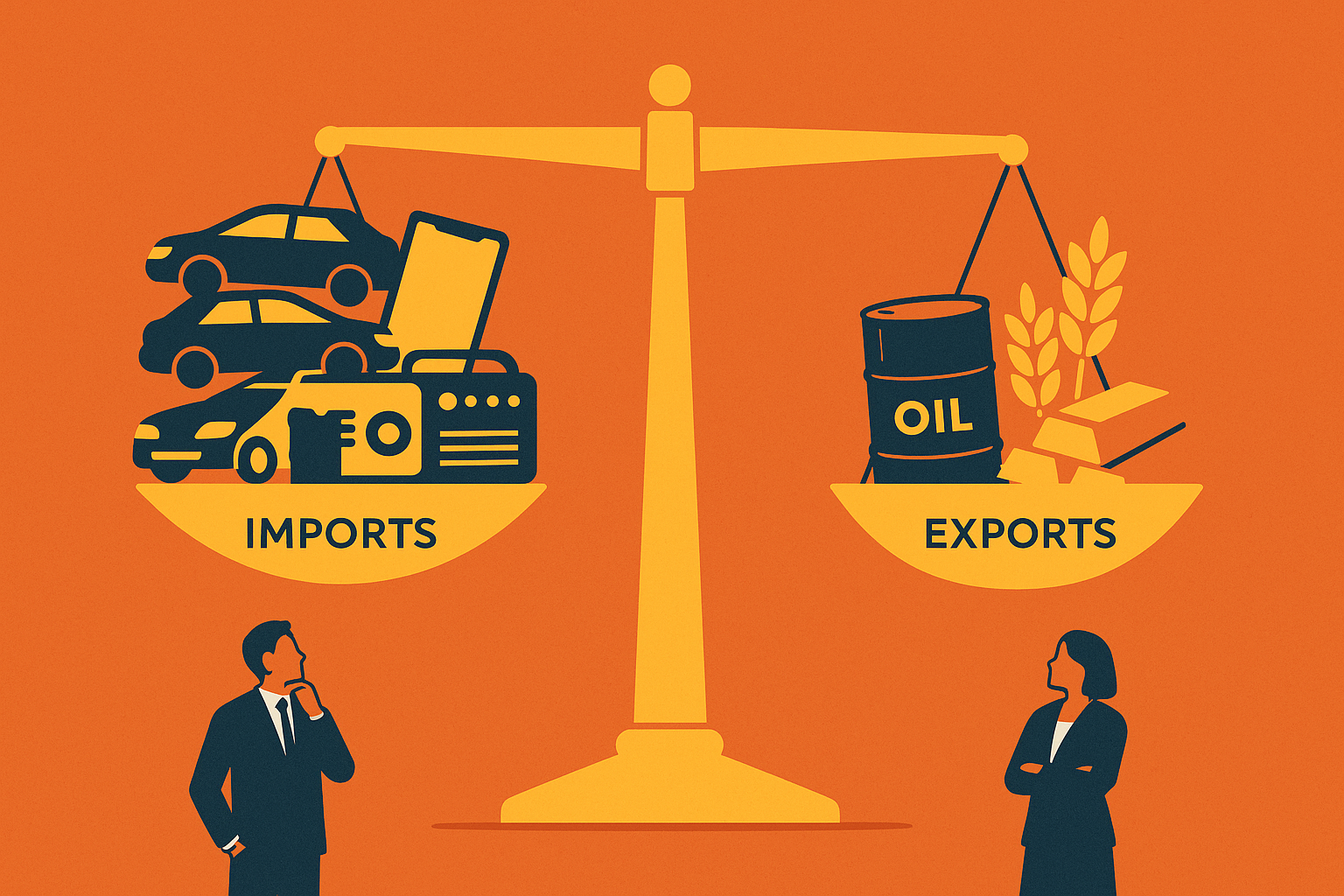
Kazakhstan's EAEU trade surged 15.4% in Jan 2026, driven by imports. Russia dominates. Learn about drivers & risks.
Kazakhstan's EAEU trade jumped 15.4% to $2.157 billion in January 2026, according to preliminary data from the Bureau of National Statistics. This growth was overwhelmingly driven by a surge in imports from EAEU partners, particularly Russia, which accounts for nearly 90% of this commerce.
While exports saw minimal gains, the import boom in goods like cars and electronics highlights shifting trade dynamics, even as China remains Kazakhstan's biggest single trading partner. Experts attribute the import surge to favorable exchange rates, pre-holiday inventory building, and a low base effect from the previous year.
How did Kazakhstan's trade with EAEU countries change in January 2026?
In January 2026, Kazakhstan's trade with Eurasian Economic Union countries surged by 15.4% year-on-year to reach $2.157 billion. The increase was primarily fueled by a significant 21.8% rise in imports, while exports experienced more modest growth of 3.5%, creating a notable trade deficit.
This acceleration was powered almost entirely by Kazakh imports, which surged 21.8% to $1.476 billion. In contrast, exports to the union grew by only 3.5% to $681.6 million. This imbalance resulted in an intra-union trade deficit for Kazakhstan of approximately $794 million.
| Flow | Jan 2026 (USD) | Jan 2025 (USD) | Change |
|---|---|---|---|
| Exports | 681.6 million | 658.6 million | +3.5 % |
| Imports | 1.476 billion | 1.212 billion | +21.8 % |
| Total | 2.157 billion | 1.870 billion | +15.4 % |
Russia remains the dominant partner, responsible for 88.6% of Kazakhstan's EAEU trade. Kyrgyzstan follows at a distant 7%, with Belarus at 4.1% and Armenia at 0.2% making up the remainder.
What is crossing the borders
Kazakhstan's exports to its neighbors consist mainly of its primary commodity staples, such as crude oil, refined copper, ferro-alloys, and wheat. Inbound trade is dominated by finished goods, with electric generators, passenger cars, vehicle bodies, petroleum gases, and telephones being key imports, representing nearly one-fifth of the total.
"When imports of cars and phone apparatus rise more than twenty percent in a single month, the effect is felt immediately - in dealer showrooms, electronics stores and service-centre queues."
How the union fits into Kazakhstan's wider trade
The EAEU constitutes about one-fifth of Kazakhstan's total foreign trade, which reached $11.011 billion in January, a 15.9% year-on-year increase. Overall, the country's global exports totaled $6.327 billion (+22.8%), while imports stood at $4.685 billion (+7.7%). This resulted in a strong national trade surplus of $1.642 billion, among the highest monthly figures recorded.
| Partner group | Jan 2026 turnover | Share of Kazakh total |
|---|---|---|
| Whole world | $11.011 billion | 100 % |
| EAEU | $2.157 billion | 19.6 % |
| China | ≈ $2.6 billion* | ≈ 23 % |
| Rest | $6.254 billion | 57 % |
- Author's estimate based on 2025 average share.
Despite the January EAEU growth, the trade bloc remains in second place. China has surpassed Russia to become Kazakhstan's largest single-country trading partner.
Why imports are surging
Analysts attribute the import surge to three primary short-term factors:
- Low Base Effect: Trade in January 2025 was unusually low following a rush in December to pre-empt changes to the customs code, making the year-on-year comparison appear stronger.
- Favorable Exchange Rate: A stable tenge-to-ruble exchange rate in late 2025 made Russian goods, including cars and appliances, more affordable for Kazakh buyers.
- Pre-Holiday Inventory: Retailers began building inventory for the Nauryz holiday season in March earlier than usual, shifting orders into December and January.
This trend is supported by resilient domestic demand. Official data indicates that retail turnover for January-February 2026 reached 3.2 trillion tenge ($6.5 billion), with non-food sales increasing in nearly every region.
Policy backdrop: Kazakhstan chairs the union in 2026
During its 2026 chairmanship of the EAEU, Kazakhstan is prioritizing five key areas, including achieving "barrier-free circulation of goods" and digitalizing agro-logistics. Initiatives include a pilot program for e-certificates for meat and dairy, which could significantly reduce border crossing times. Another proposal aims to let Kazakh firms use the national "e-Qogy" system for digital shipping documents, eliminating the need for hard copies.
"Every extra day at a customs post costs a trucker roughly $150; digital certificates could save Kazakh exporters $30-40 million annually on the Moscow route alone."
Risks hidden in the rebound
Despite the strong January figures, underlying risks remain. Kazakhstan's EAEU trade actually declined in 2025, shrinking its share of total commerce. The current import-led growth widens the bilateral deficit, which could pressure the tenge if energy prices fall. Furthermore, renewed volatility in the ruble exchange rate could erase the price advantages that drove the January surge.
For now, the benefits are clear: Kazakh assembly lines are receiving more Russian components, and retailers are restocking with duty-free goods. However, sustaining this momentum will require Kazakhstan's exporters to match the double-digit growth of their EAEU partners who are successfully selling into the Kazakh market.