
Adobe Plunges 9% After CFO Exit; AI Impacts SaaS Pricing
Alexander Shlimakov specializes in Salesforce, Tableau, Mulesoft, and Slack consulting for enterprise clients across the CIS region. With a proven track record in technical sales leadership and a results-oriented approach, he focuses on the financial services, high-tech, and pharma/CPG segments. Known for his out-of-the-box thinking and strong presentation skills, he brings extensive experience in solution sales and business development.
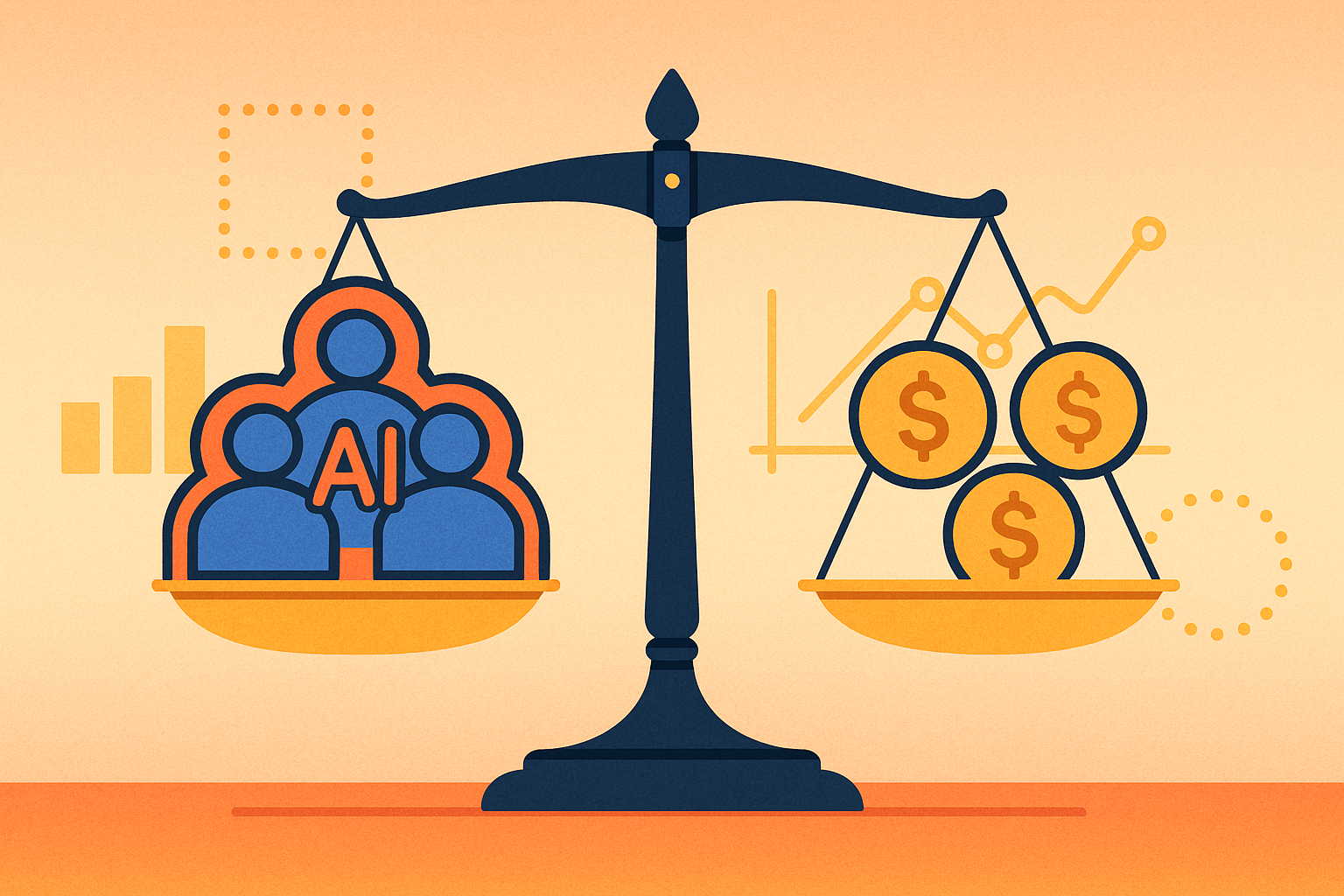
Adobe plunges 9% after CFO exit amidst AI squeeze. SaaS giants face eroding pricing power as AI agents reduce seat counts & drive new pricing models.
Adobe Shares Drop After CFO Exit; AI Impacts SaaS Pricing
The sudden departure of Adobe's CFO triggered a notable stock decline, signaling deep investor concern over the future of SaaS profitability. As AI agents begin to automate workflows, the decades-old seat-based subscription model is under threat, challenging the revenue streams of industry leaders like Adobe and Salesforce and forcing a pivot to usage and outcome-based pricing.
Adobe shares fell roughly 4% in pre-market trading and about 6.25% on June 12, 2026, after the CFO departure announcement. The sell-off, which began after the 10 June 2026 announcement of CFO Dan Durn's departure, overshadowed what industry reports described as a strong Q2 earnings performance. Salesforce also saw a related decline, reflecting the core investor concern: will AI agents dismantle the seat-based subscription model that has defined SaaS for two decades?
What the numbers really say
Despite the market's reaction, Adobe's underlying performance in the second quarter reportedly remained strong according to industry reports.
Adobe's stock declined due to investor anxiety over future earnings following its CFO's sudden departure. This event highlights a broader challenge for SaaS firms like Salesforce, as the rise of AI threatens to undermine traditional seat-based subscription models, forcing a difficult transition to new pricing structures.
"We are trading near-term pricing elasticity for long-term user growth," Narayen told analysts, confirming a deliberate delay of the next Creative Cloud price hike.
The real-time AI headwind
Adobe faces a critical dilemma: while AI features boost user engagement and new logo acquisition, they also increase efficiency, allowing users to complete tasks faster and thus reducing the need for additional seats. In response, the company is adopting a freemium funnel that converts users by offering AI credits, a model more typical of the gaming industry than enterprise software.
Salesforce faces similar pressures. Salesforce announced flexible Agentforce pricing in May 2025, including usage-based Flex Credits and future user licenses/add-ons, with pricing for some offerings to be announced at GA. While this strategy may protect short-term revenue, it heightens the risk of seat-count compression as AI agents progressively automate workflows once performed by human users [source].
How the market is repricing SaaS
Investors are now differentiating between SaaS businesses based on their resilience to AI disruption:
| More resilient | More vulnerable |
|---|---|
| Vertical SaaS with proprietary data | Generic horizontal tools |
| Deep workflow embedding | Thin feature layers |
| Usage or outcome pricing | Pure seat pricing |
| Clear AI monetization path | Chatbot overlays |
This repricing is supported by new analysis. Research from DBS highlights that SaaS pricing power is eroding* as AI agents reduce vendor lock-in and lower seat counts per workflow [source]. A Morgan Stanley SaaS index reportedly fell to a record low 18x forward earnings, reflecting broader market concerns about the sector's future profitability under AI-driven changes.
"Enterprise buyers are already rationalizing stacks, cutting the number of vendors, and renegotiating contracts before AI adoption even peaks." - Industry observers note this trend across many enterprise segments.
Local lens: Kazakhstan's Salesforce ecosystem
This global shift is also evident at the local level. In Kazakhstan, enterprise customers are already adapting. One regional FMCG leader, migrating to Salesforce to improve stability, structured the project around outcome-based KPIs like sales-forecast accuracy instead of user seat count.
Local implementers are following suit, pricing services like AI-driven customer scoring on a credit-consumption basis rather than a per-user fee. This model also helps satisfy Kazakhstan's data-sovereignty laws, as usage can be metered locally even if the core platform is hosted internationally.
Forward calendar
Key developments in the coming period will signal whether this market correction is a temporary dip or a long-term trend, as companies continue to navigate the transition from traditional seat-based pricing to new AI-driven models.
The coming months will determine whether the recent market volatility was a sentiment blip or the start of a structural repricing of the entire SaaS sector under AI-driven productivity gains.