
2026 Lead Management: AI Powers 29% Revenue Growth

Alexander Bazilevich is a CRM expert and Top Salesforce Partner with over 17 years of sales experience in the IT industry. He specializes in transforming corporate goals into profits through cross-functional collaboration and innovative business solutions, with deep expertise in business systems and IT products.

Unlock 2026 lead management success: AI prioritization, resilient deployment, and key platforms to boost revenue velocity.
2026 Lead Management: How AI Powers 29% Revenue Growth
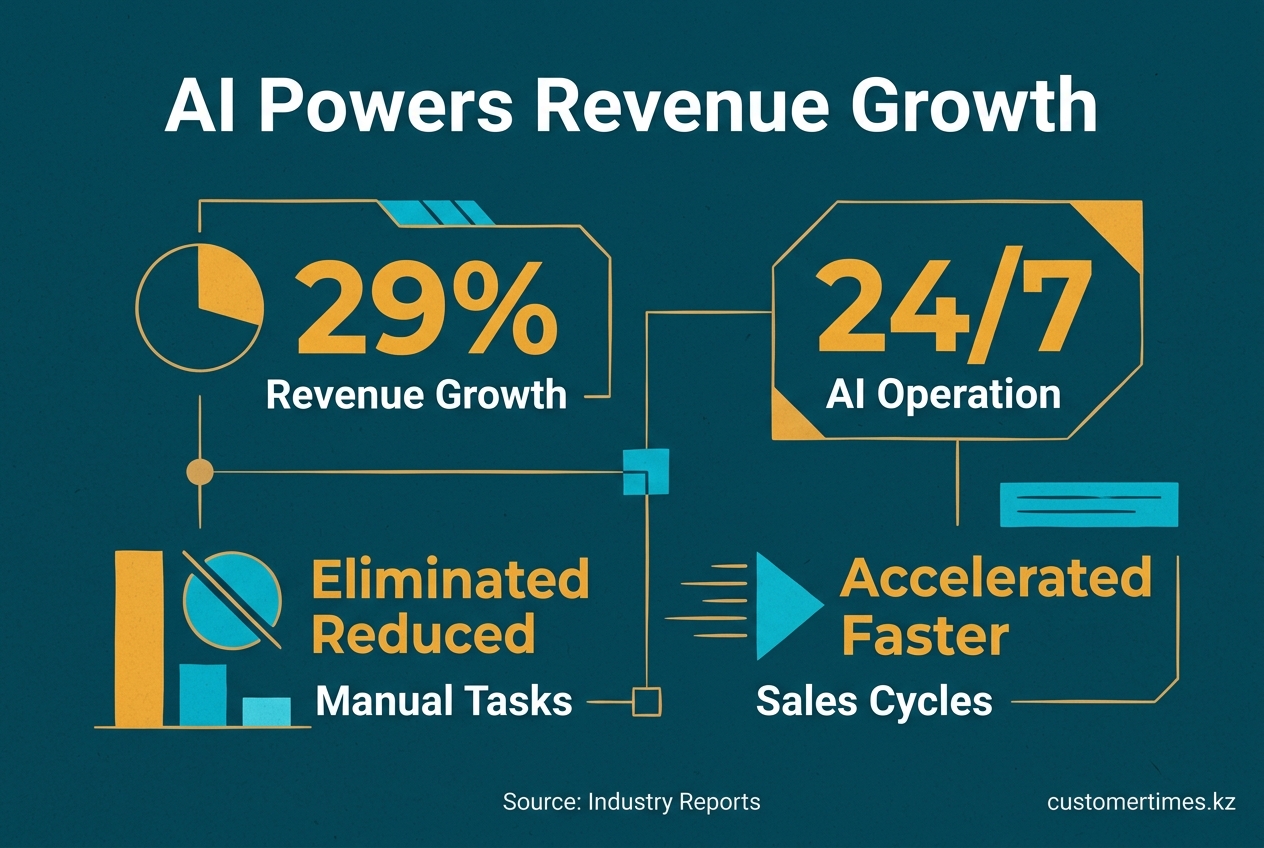
In 2026, lead management powered by AI is driving a 29% increase in revenue without increasing headcount. The most effective tools help sales teams pinpoint high-value leads with unprecedented speed by integrating artificial intelligence, unified workspaces, and data-resilient storage. Platforms like Salesforce, HubSpot, ZoomInfo, Apollo, and Zoho CRM are leading this shift, automating lead scoring and routing to eliminate manual tasks and accelerate sales cycles. Choosing the right platform and strategy is critical for achieving this level of growth.
What are the essential features and best platforms for lead management in 2026?
Sales teams that cling to outdated lead management systems are sacrificing significant revenue. By 2026, this software category has transformed into an AI-driven command center focused on a single metric: revenue velocity. Every sales activity, from lead scoring to routing, is optimized for speed and impact. This guide covers the platforms, features, and strategies that distinguish top-performing sales organizations.
1. Market Leaders at a Glance
The best lead management platforms for 2026 are defined by AI-driven lead scoring, unified sales workspaces, and secure, region-local data hosting. Market leaders like Salesforce, HubSpot, and ZoomInfo excel by integrating these features to help sales teams identify and engage high-value prospects with unprecedented speed.
| Platform | Primary Super-power | 2026 Starting Price | Hidden Cost Trap |
|---|---|---|---|
| Salesforce Sales Cloud | Unified data across marketing and sales | Custom quote | Advanced AI modules priced per prediction |
| HubSpot Sales Hub | Frictionless free tier and easy upgrades | $0 - $18/mo per user | Key automation locked behind $1,200/mo tier |
| ZoomInfo | 300+ B2B data points and real-time intent signals | Per org, ~$15k/yr | Regional data gaps require add-on feeds |
| Apollo | 275M contact database with multi-channel sequencing | $39 - $49/mo | Credit burn rate spikes at >500 leads/mo |
| Zoho CRM | Extensive library of 500+ pre-built integrations | $14/mo | UI complexity drives paid onboarding |
Sources: TrustRadius Enterprise Grid 2026, Improvado 2026 Benchmark
2. The Non-Negotiable Feature Set for 2026
-
Adaptive AI That Works 24/7
Over 41% of marketers now use AI to automate nurture sequences based on micro-behaviors, such as a prospect visiting a pricing page after reading a competitor's blog. While some platforms add third-party GPT layers, native AI stacks like Salesforce Einstein and HubSpot's Content Assistant keep data secure within your system, significantly reducing compliance risks. -
Unified Workspaces to Eliminate Task Switching
Sales reps are more efficient when they don't have to toggle between multiple applications. Leading vendors now offer unified work queues that consolidate CRM tasks, email alerts, LinkedIn messages, and calendar events into a single, prioritized view. Early adopters of this model have slashed average lead response times from 42 hours to just 27 minutes. -
Data-Resilient and Compliant Architecture
With new data privacy laws like Kazakhstan's Personal Data Law 94-V and other GDPR-inspired regulations emerging globally, region-local data hosting is essential. Top providers like Salesforce, Oracle, and Microsoft now offer data centers in regions like Almaty and Astana. Always verify a vendor's ISO 27001 and 27701 certifications before signing a contract.
"Teams that unify CRM + lead management in one system move 37% faster from lead to close than those juggling sync tools."
- HubSpot 2026 Operations Report
3. Emerging Tech Inflection Points
- Intent > Inbound: Intent data platforms like ZoomInfo use visitor identification to surface accounts that are actively researching competitors across millions of websites, allowing sales teams to engage prospects before a formal RFP process begins.
- Voice-First CRM: Platforms such as Apollo and Freshsales now embed dialers that automatically summarize calls, suggest next-best actions, and update opportunity stages, eliminating manual data entry.
- No-Code Field Expansion: With Zoho's drag-and-drop workflow builder, non-technical administrators can quickly customize the CRM, such as adding Kazakh-language tax fields or integrating 1C invoices, without writing any code.
4. Selection Playbook - Enterprise Edition
-
Conduct a Data Audit Sprint
Export all lead data from every source and import it into trial instances of your shortlisted platforms. Measure the duplicate rate and enrichment accuracy. Any platform that fails to achieve an 85% clean data merge should be disqualified. -
Test Lead Handoff Velocity
Create a lead matching your ideal customer profile and time the entire process from Marketing Qualified Lead (MQL) to Sales Qualified Lead (SQL), meeting booked, and quote generated. If this takes longer than nine minutes in a demo, it signals future bottlenecks. -
Negotiate Usage-Based Tiers
For platforms like Apollo and ZoomInfo that meter by credits, negotiate for annual credit pools with quarterly adjustments. This prevents mid-month campaign freezes caused by credit exhaustion. -
Demand a Performance-Based Sunset Clause
Ensure your contract includes an exit clause if the platform's AI features fail to deliver the promised lift (typically a 25% increase in accepted leads). The vendor must waive termination fees and provide a complete data export in Parquet format.
"Start small with AI. Delegate one high-impact task - lead scoring or email drafting - and expand automation only after reps trust the output."
- Salesforce 2026 Implementation Guide
5. Quick-Start Bundles by Segment
- 200-Employee Kazakh FMCG: Zoho CRM with the CT Mobile template, which is localized for Cyrillic SKUs and includes an offline mode for van sales.
- 2,000-Seat Regional Bank: Salesforce Sales Cloud combined with MuleSoft for SWIFT payment history integration and Tableau for advanced cross-sell scoring.
- B2B SaaS with 50 SDRs: HubSpot Pro supplemented with Apollo's unlimited dialer and a ZoomInfo intent data feed for comprehensive prospecting.
6. Migration Traps to Sidestep
- Verify Native Integrations: Some vendors advertise "native" integrations that actually route data through intermediary services, creating potential GDPR compliance gaps. Scrutinize the data architecture.
- Recalibrate Legacy AI Models: AI models trained on pre-2022 data often overweight outdated signals like webinar attendance. Re-calibrate your scoring model with recent conversion data to avoid flooding sales reps with low-fit leads.
- Prioritize Offline Mobile Functionality: For field sales teams, especially in areas with unstable connectivity like Kazakhstan's oil and gas regions, ensure the mobile app has robust offline capabilities. Without proper caching and syncing, data loss can exceed 18%.
By following this six-week selection sprint, prioritizing region-local data residency, and adopting AI features incrementally, your organization can achieve the benchmarked 29% revenue bump without adding headcount. This result is consistently reported by Salesforce, Customertimes, and independent auditors across numerous Central Asian deployments.